



How Credit Scores Work and What Affects Them

Take Control of Your Financial Future

Credit Score Ranges

What are The Credit Score Ranges?

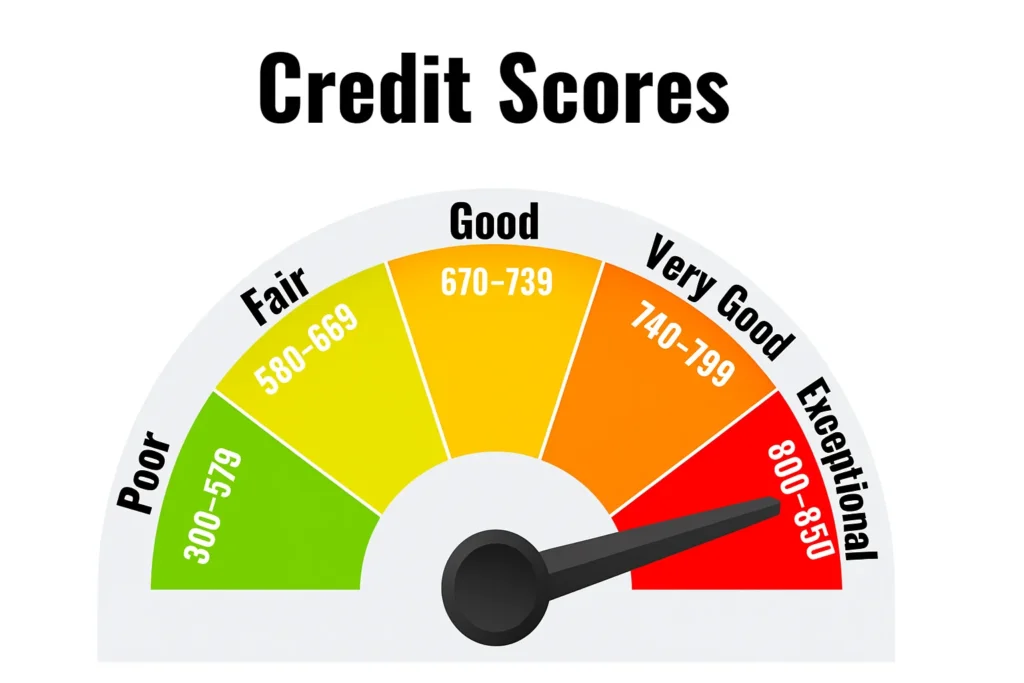
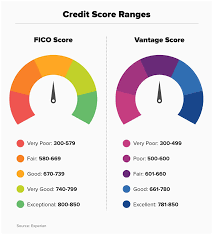
Credit score ranges vary across creditors and score types. For base FICO® Scores, the credit score ranges are:

  • 800 to 850: Excellent Credit Score. Individuals in this range are considered to be low-risk borrowers.
  • 740 to 799: Very Good Credit Score.
  • 670 to 739: Good Credit Score.
  • 580 to 669: Fair Credit Score.
  • 300 to 579: Poor Credit Score.
How are FICO® Scores Calculated

How are FICO® Scores Calculated?

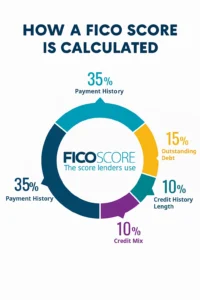
FICO® scores are calculated from many different pieces of credit data in your credit report. This data is grouped into five categories as outlined below. The percentages in the chart reflect how important each category is in determining how FICO® Scores are calculated.

  • Payment history (35%).
  • Outstanding Debt (30%).
  • Credit history length (15%).
  • Pursuit of New credit (10%).
  • Credit Mix (10%).


These factors combine to determine your overall credit score, which ranges from 300 to 850.

What is Credit Score?

A credit score is a three-digit number that reflects an individual’s creditworthiness and their likelihood of being approved for a loan, mortgage, or credit card. It is determined by analyzing a person’s credit history, which includes details such as open credit accounts, overall debt, and payment track record.

What is Credit Monitoring?

Credit monitoring is a service designed to help individuals closely track their credit reports and credit scores, enabling them to spot any unusual or potentially fraudulent activity. These services protect your financial identity by keeping you updated on any changes to your credit history. Credit monitoring providers routinely review your credit reports from one or more of the major credit bureaus—Equifax, Experian, and TransUnion—examining details such as your credit accounts, payment records, inquiries, and public information.

What is a Loan?

A loan is a type of credit where a set sum of money is provided to a borrower with the understanding that it will be repaid in the future. Often, the lender charges interest or finance fees on top of the original amount, which the borrower must also pay back along with the principal.

Loans can be issued as a fixed, one-time amount or as a revolving line of credit up to a certain limit. They come in various forms, including secured loans, unsecured loans, commercial loans, and personal loans.

How to Improve Your Credit Score?

Improving your credit score is essential for better financial opportunities, such as lower interest rates and easier loan approvals. Start by paying your bills on time, as payment history heavily impacts your score. Reduce your credit card balances to keep your credit utilization low. Avoid opening too many new accounts in a short period, and check your credit report regularly for errors. Keep older accounts open to maintain a long credit history. Diversify your credit mix by having a combination of credit types, like credit cards and installment loans. With consistent effort and smart financial habits, your credit score will gradually improve.

1. Check Your Credit Report for Errors

Start by requesting a free copy of your credit report from the major credit bureaus (Experian, Equifax, and TransUnion). Review it carefully for any mistakes, such as incorrect late payments or accounts that don’t belong to you. Dispute any errors to have them corrected.

3. Reduce Your Credit Card Balances

Your credit utilization ratio (the amount of credit you’re using compared to your total available credit) affects your score. Try to keep your credit utilization below 30%, ideally closer to 10%. Paying down balances or increasing your credit limits can improve this ratio.

5. Keep Old Accounts Open

Length of credit history matters. Even if you don’t use old credit cards frequently, keeping them open can increase your average account age and improve your score.

7. Limit Debt Applications

Only apply for new credit when necessary. Each new inquiry can slightly lower your score and too many inquiries can be a red flag.

9. Negotiate With Creditors

If you have late payments or outstanding debts, contact your creditors. Sometimes they’ll agree to “pay for delete” or update your payment status if you settle your balance, which can help your credit.

How to Improve Your Credit Score
What Credit Score Is Needed To Buy a Car
2. Pay Your Bills on Time

Your payment history is the biggest factor in your credit score. Always pay your bills, loans, and credit card balances on time. Setting up automatic payments or reminders can help you avoid missing due dates.

4. Avoid Opening Too Many New Accounts at Once

Each time you apply for new credit, a “hard inquiry” is recorded, which can temporarily lower your score. Opening multiple new accounts in a short period may signal risk to lenders.

6. Diversify Your Credit Mix

Having a variety of credit types (credit cards, installment loans, mortgage, etc.) can positively impact your credit score, showing lenders you can handle different kinds of credit responsibly.

8. Use a Secured Credit Card or Credit Builder Loan

If you have poor or no credit, consider a secured credit card or a credit builder loan. These can help establish a positive payment history if used responsibly.

10. Be Patient

Improving your credit score takes time. Consistently practicing good credit habits will gradually improve your score.

Factors That Impact Your Credit Score Factors

Factors That Impact Your Credit Score Factors

Factors That Impact Your Credit Score Factors Table of Contents Many people are surprised to find their credit score dropping, even when they try to manage their money well. Small mistakes, like a single late payment, can have a big and lasting impact on your credit. You may not realize how many factors actually shape […]

How To Get A Good Car Loan With Bad Credit

How To Get A Good Car Loan With Bad Credit

How To Get A Good Car Loan With Bad Credit? Table of Contents Getting approved for a car loan with bad credit can feel impossible. Lenders check your credit score first and often reject poor applications. Many people give up or accept expensive loans because they think they have no other options. If you accept […]

How to Restore Your Credit Score

How to Restore Your Credit Score

How to Restore Your Credit Score? Table of Contents A low credit score can make life harder. It might cause higher interest rates or loan rejections. Many people feel stuck and unsure how to fix it. This problem can affect your ability to rent, buy a car, or even get a job. Every day, poor […]